
Making Comics 1.0: From Layouts to Completed Page
Sketches, roughs, layouts, pencils, inks, colors, letters

In the last Making Comics post we took a quick glance at (and got trapped by) eye-catching covers. This was fitting place to kick things off, as a great cover is where a reader is most likely to begin their journey with a comic. Cool. Now let’s look at where the comic making journey really begins…
A script can be a beginning of sorts. Remember though, even if there’s a completed script, that thing isn’t really turning into a comic until lines hit the page. A comic can still be a comic without words, but words on a page will never be a comic. So let’s think about those first strokes across the page, shall we?
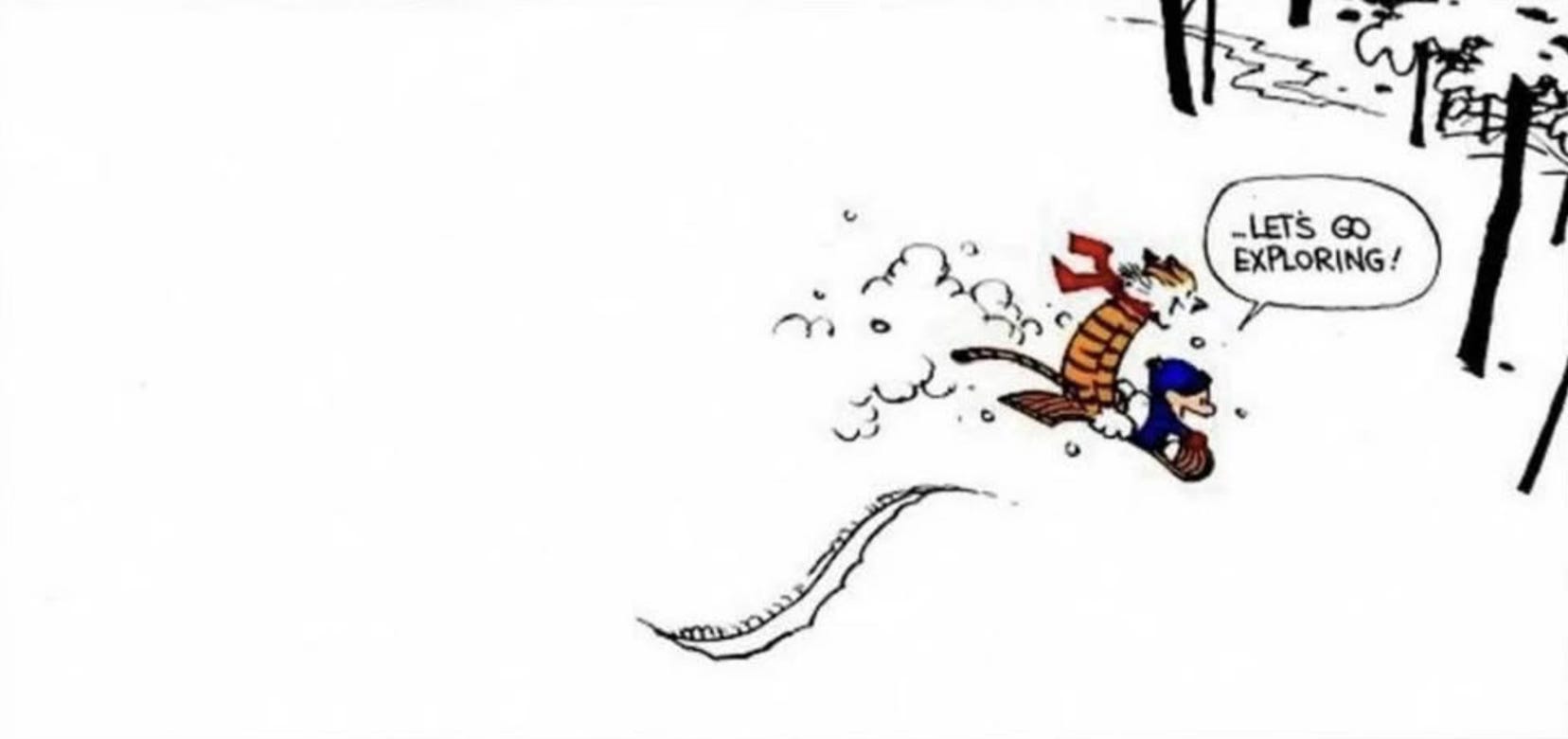
I’ve been privileged to work with some artists who put a lot of thought into their process and are excellent teachers. As such, I’ll let them]handle most of the communicating for this post:
Character design can come first
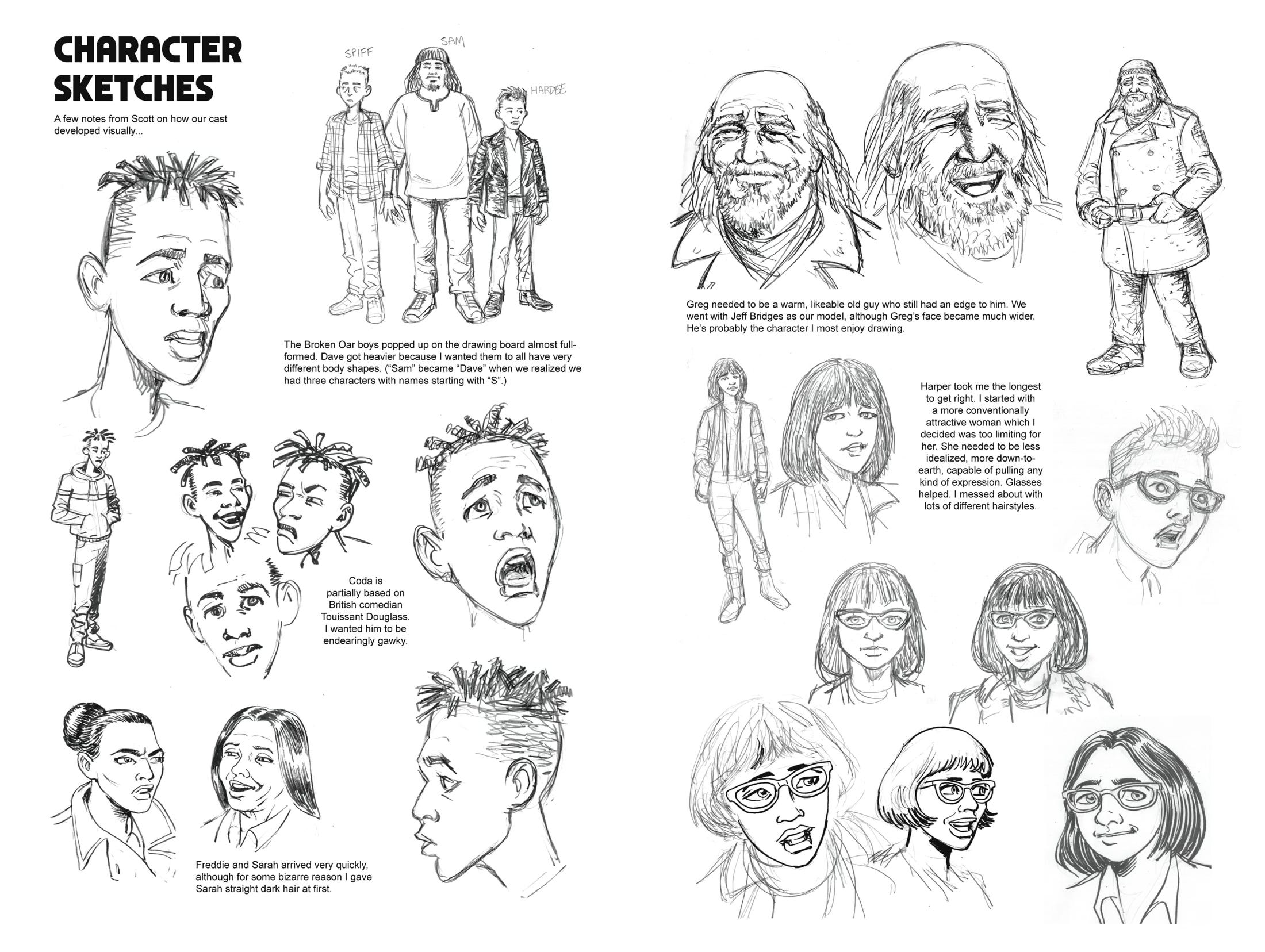
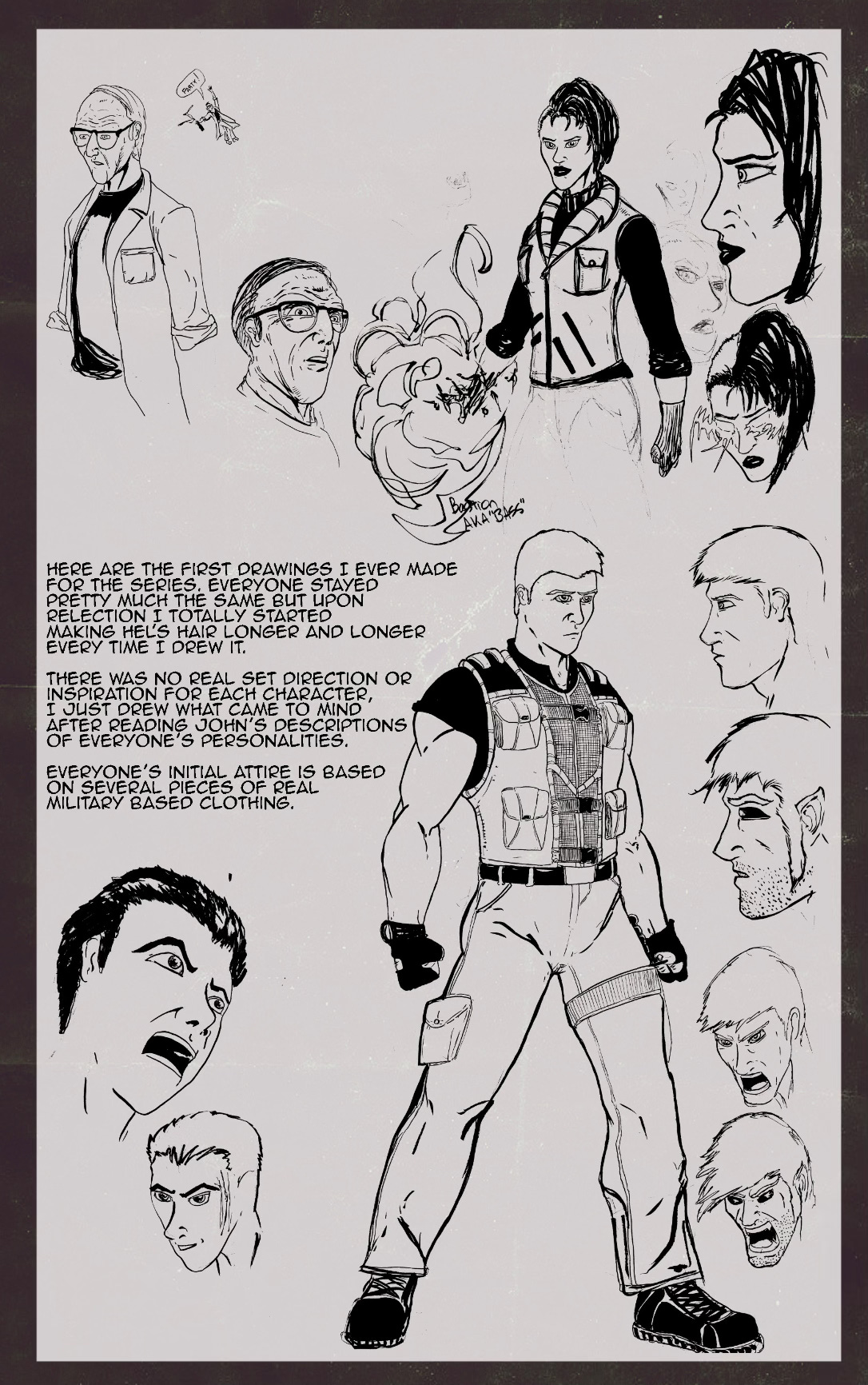
These two images were included as backmatter in Big Shoulders #1 (2025) and Packs of the Lowcountry collected edition (2017).
Crafting most comics begins with roughs / Layouts / Thumbnails
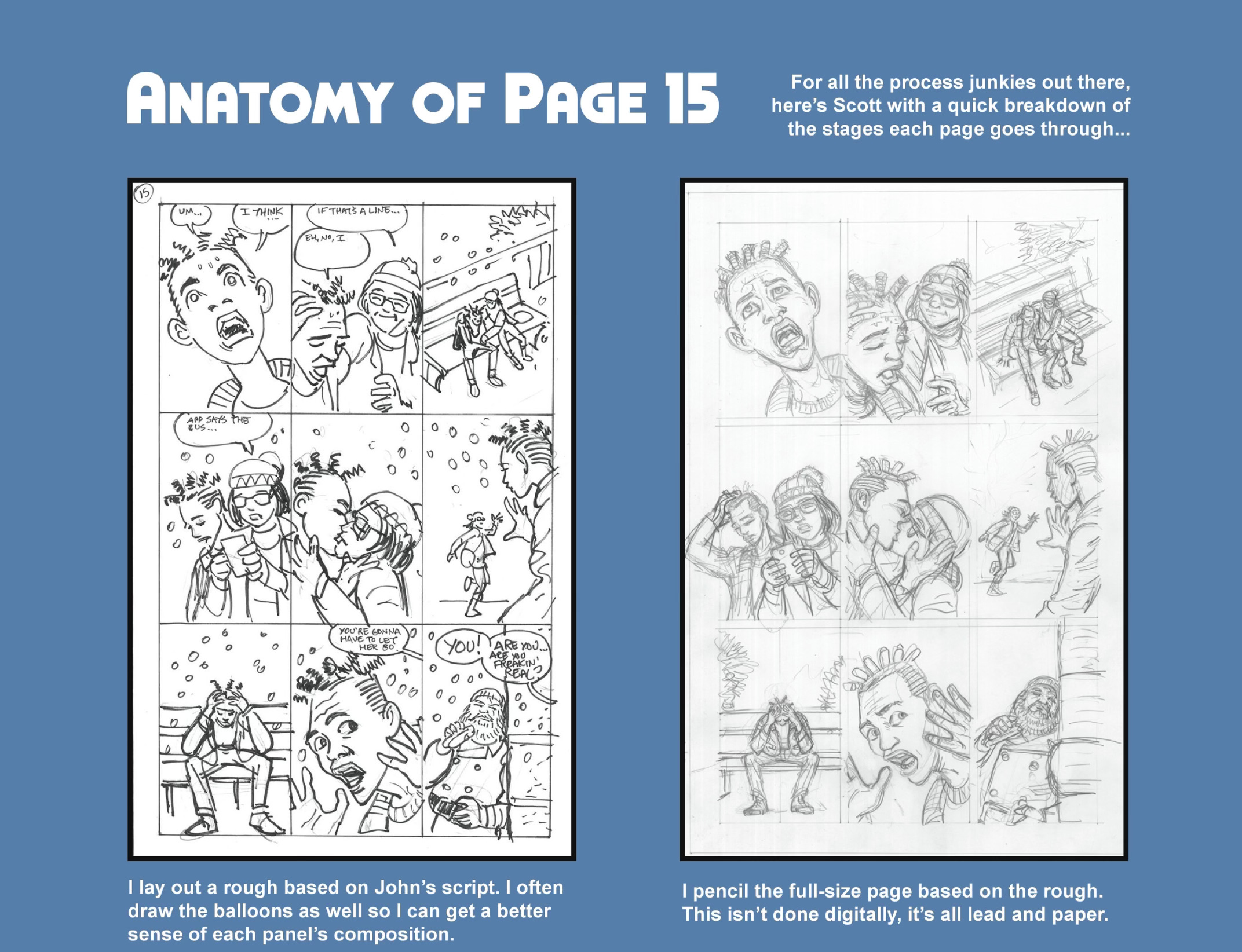
In this earliest visual stage, a comic artist begins to loosely define the panel composition and page layout. Some might develop roughs or thumbnails of panels individually, or tackle them all at once as full page layouts. In any event, top of mind considerations include: clarity, storytelling flow (ie - capturing and directing the reader’s attention and guiding their eye), dynamism, and the all-important ‘does this look cool?’ factor.
This earliest visual stage could be as iterative as you need it to be (endless even!). But hopefully at some point the comic creation journey can move into Step Two… where things get REALLY tricky. Because this is when an artist has to begin to commit their lines into ‘complete’ status.
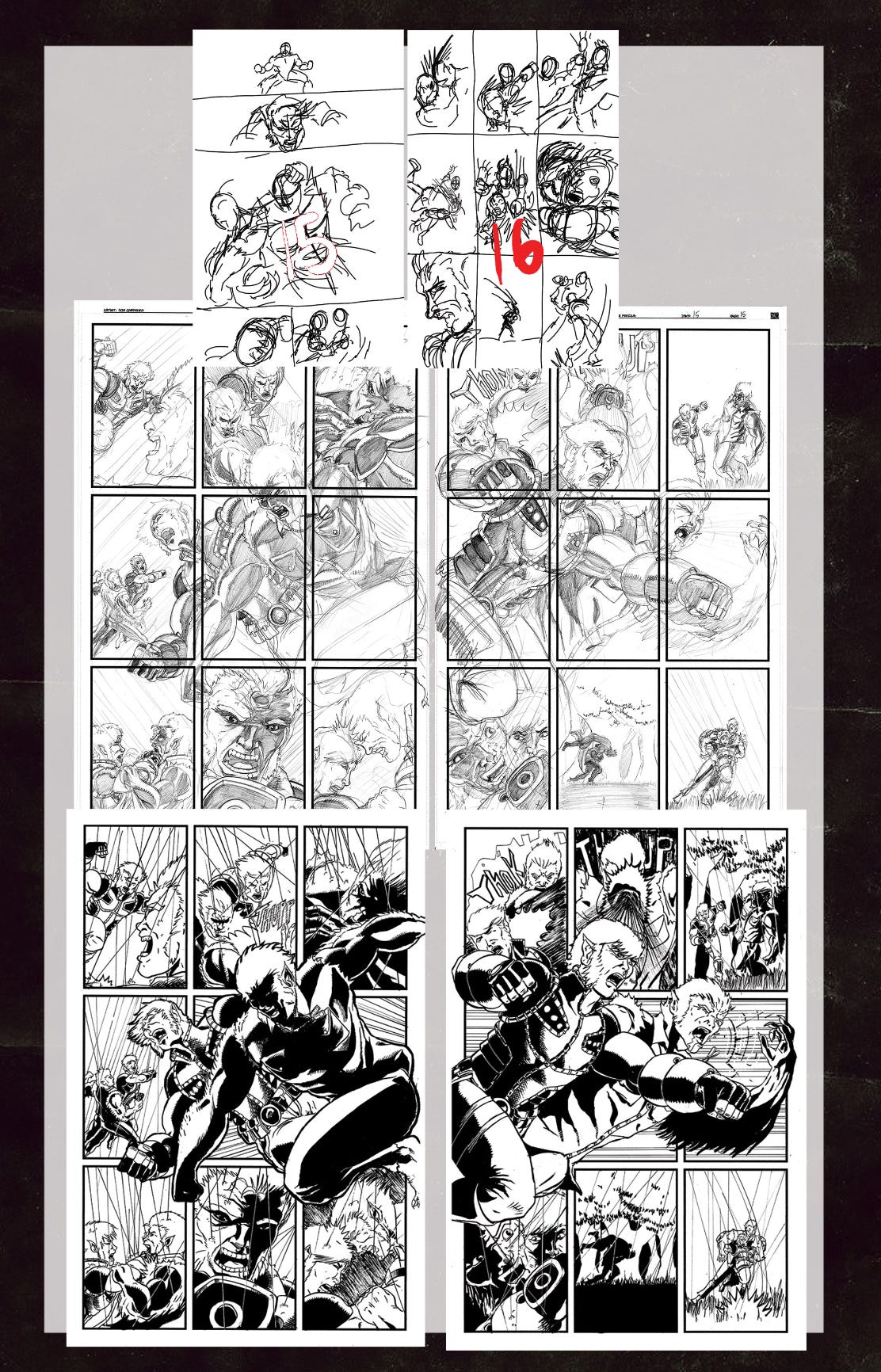
The first layer of what will be the completed work could be pencil on paper, or any manner of digital drawing interface (note: most professional comic artists in 2026 use at least some variety of digital tools in the creation of their comic pages). In any event, after this first baseline layer, the next steps will often be either inks on paper or comparable deeper layers of definition.
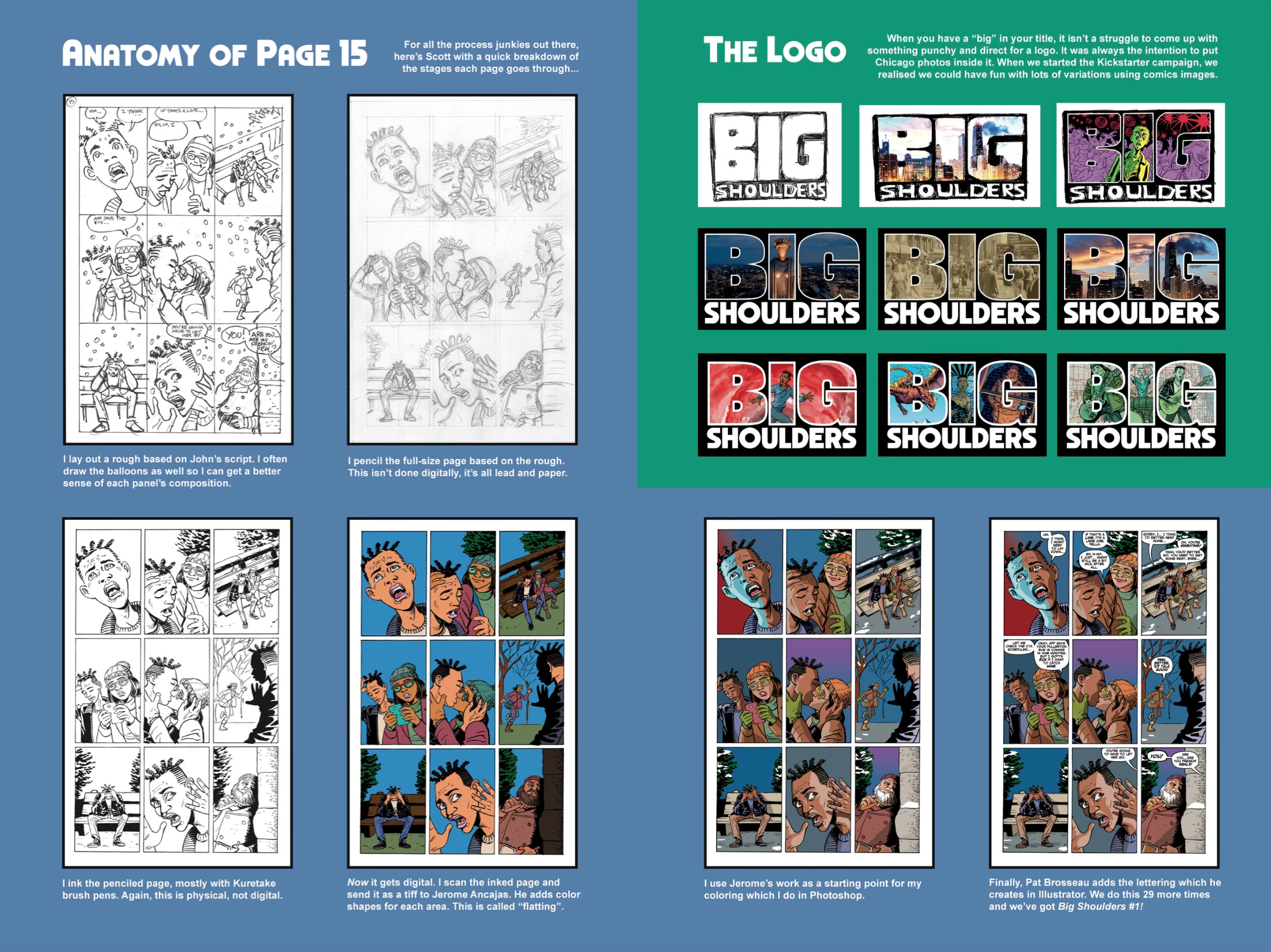
Layer by layer a comic book page takes shape, with ever-increasing depth… and perhaps even color.
Big Shoulders’ artist Scott Gray lays this process out far better than I ever could. Check out his full anatomy of a page, step by step:
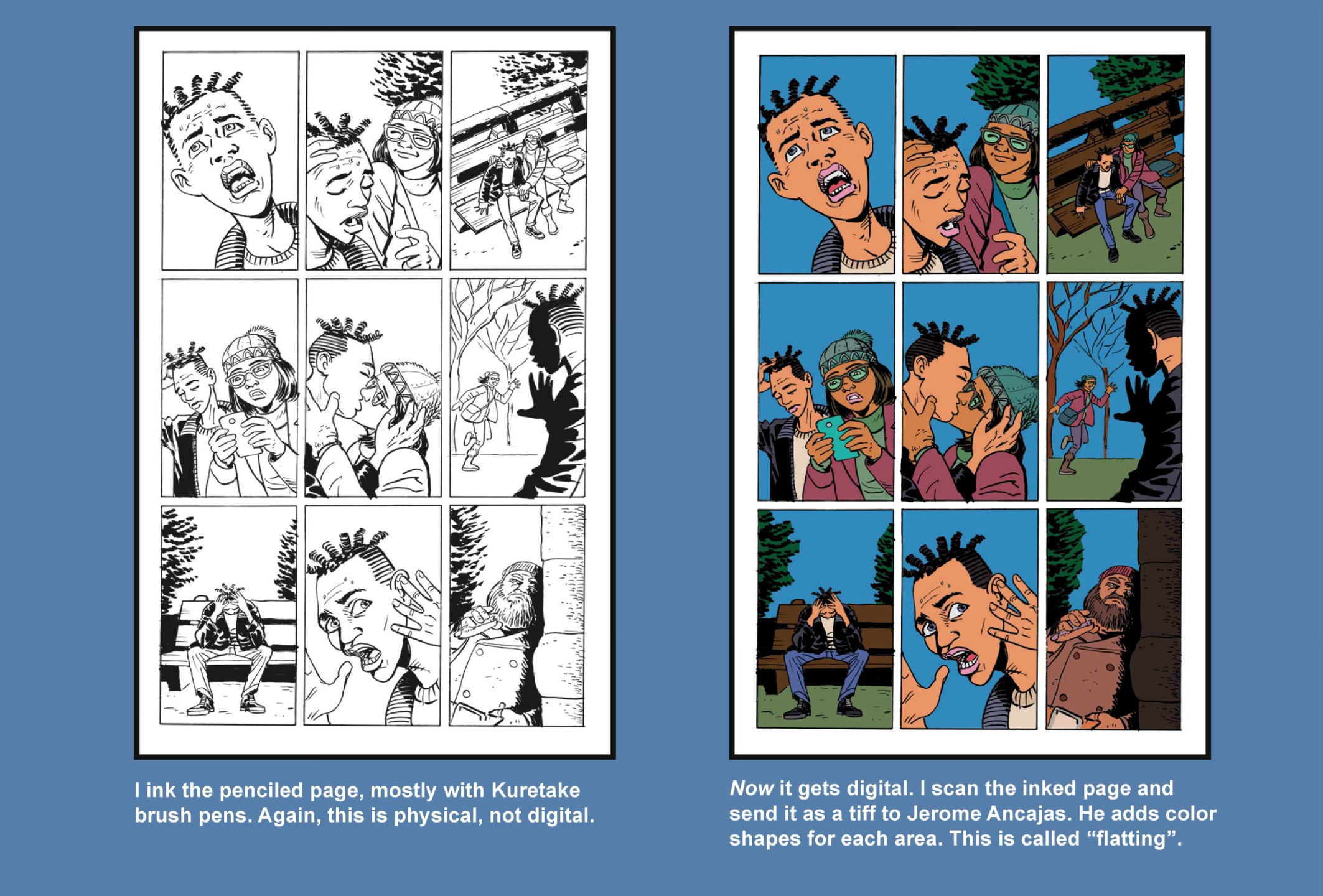
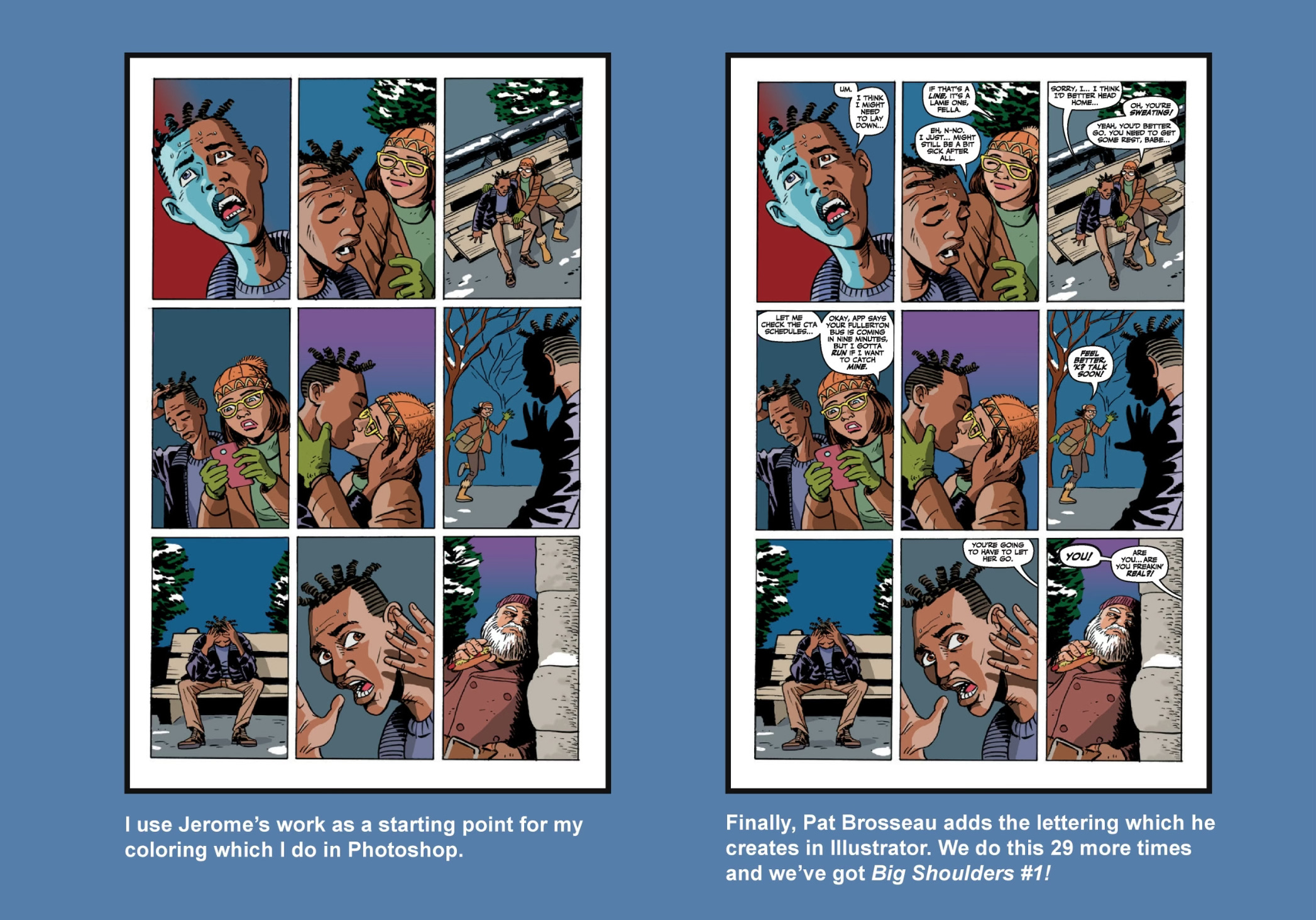
And for an extra pinch to grow another inch, here are a few killer process pages from Don Cardenas:
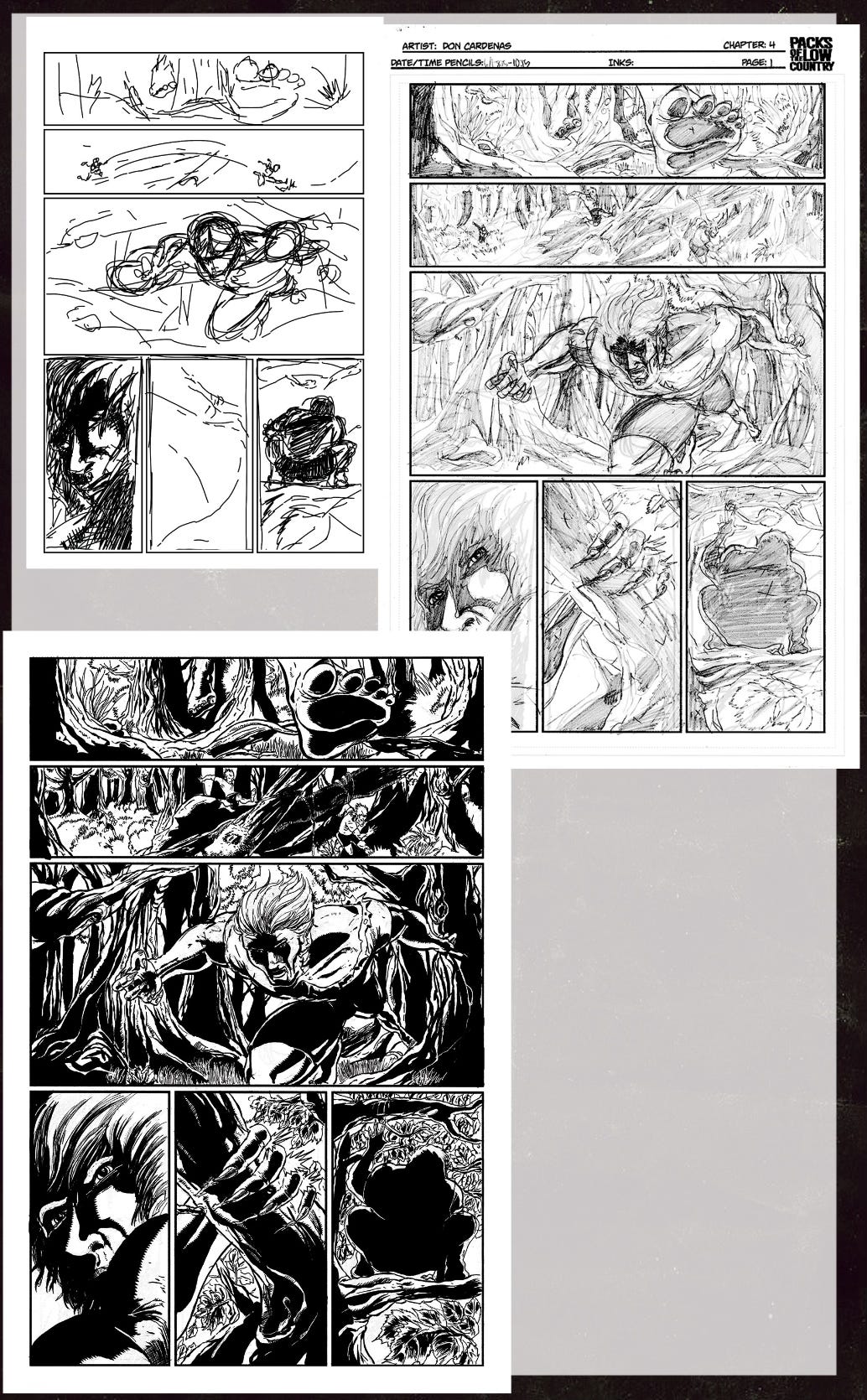
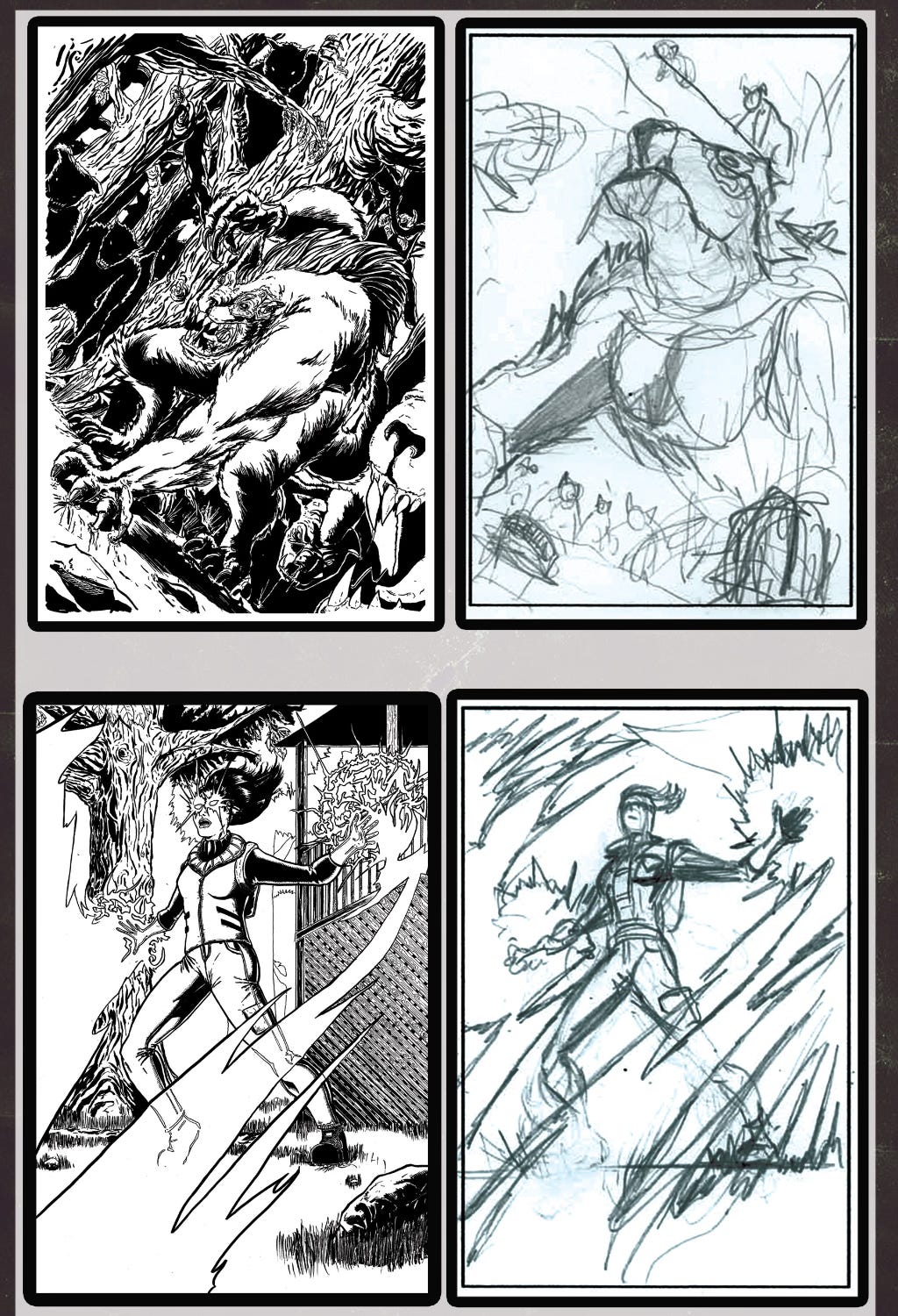
Comics are cool. And the artists who make them are THE BEST. Have you told one of them that you love them yet today? Or better yet, buy some art directly from their storefronts!
Here are a few links to consider:
Don has a Kickstarter campaign live at the time of this posting, for an evergreen-awesome series called Evie and the Helsings, which you should grab for yourself regardless of when you might be reading this!

Scott Gray has some rad Doctor Who Prints on his Ebay page!

To close things out for today, here’s Scott full-page spread featuring the ‘anatomy of a page’ shared above:
Alright, Comics People. I hope you’re treating yourself well and that you remember to appreciate the incredible efforts of comic artists and the assembly-line labors of love that go into…
I am learning so much with your substack serie, thank you for making it! ✨
Really cool and informative. I love reading stuff like this.