Marketing Your Comic
It all started with the logline...

Hey Comics People,
It’s marketing season over here at Making Comics HQ. We’re currently preparing to pitch and sell our new comic/child, THREE PLANES (details here). Ironically, I actually won’t be pitching that book in this post. But that particular marketing effort is top-of-mind at the moment, fueling this issue’s topic.
As an update for the newer Making Comics subscribers here (nearly half of you have joined in the last couple months. Thank you for taking a gander!), a central pillar of this whole Making Comics weekly post / operation is to give behind-the-scenes access to the vast and varied efforts that go into making these beautiful little story portals. With each post, I try to include all the personal insights I can share, limited though they sometimes might be. Ex: stuff like the making of the following MC logo (link):

These posts also serve as a research prompt to keep a comics person moving. And as it happens, the type of moving I need to focus on now is one that all comics creators will run into. Here’s the situation:
So you’ve got a complete (or near-complete) comic?
Now it’s time to turn a bit of focus away from the pristine and gratifying process of making comics, and direct that effort into the mucky land of MARKETING comics.
And what is step one of marketing a comic?
No. It’s not finding your audience, or even the work of figuring out who they might be.
I mean, sure, figuring out who you're marketing the book to IS a key trick. True. But even before you work your way towards that determination, you should begin working out how to define / pitch the tale.
The pitch comes first. What’s the use finding an audience to market to if you don’t even have a pitch for ‘em?!
Pitching is an ongoing effort, to be tailored and refined endlessly. All the more reason to get started.
Regardless of your audience, you’re going to be pitching in some way or another. There’s fun to be had here… I suppose. Some people might love it even. But for THIS comics person? Well, despite being a fan of most humans IRL, and often coming across as an extrovert, the truth is that I consider marketing even MY OWN stories to be a bit of an ugly scene. It does not feel natural to me. I vastly prefer letting the story itself (and in comics sake, the completed pages!) do the selling — and I suspect I’m not alone in this sentiment?
But I also know better. There have never been more stories out on the ether vying for our attention…
The stone cold truth of the case is that 99% of readers will need to be sold on a tale before they even give it a chance. So no matter how much we hate marketing our beloved comic, let’s not give ourselves time to stress on it. Instead, let’s just crack this case and pour over the grisly details, shall we?
When marketing a comic, you don’t just need a pitch. You need at least four pitches… quite possibly five:
1. The Logline
Logline - An interest-commanding one or two sentence (written!) pitch, an attention grabber to set a tone.
Movie taglines communicate exactly what these are:

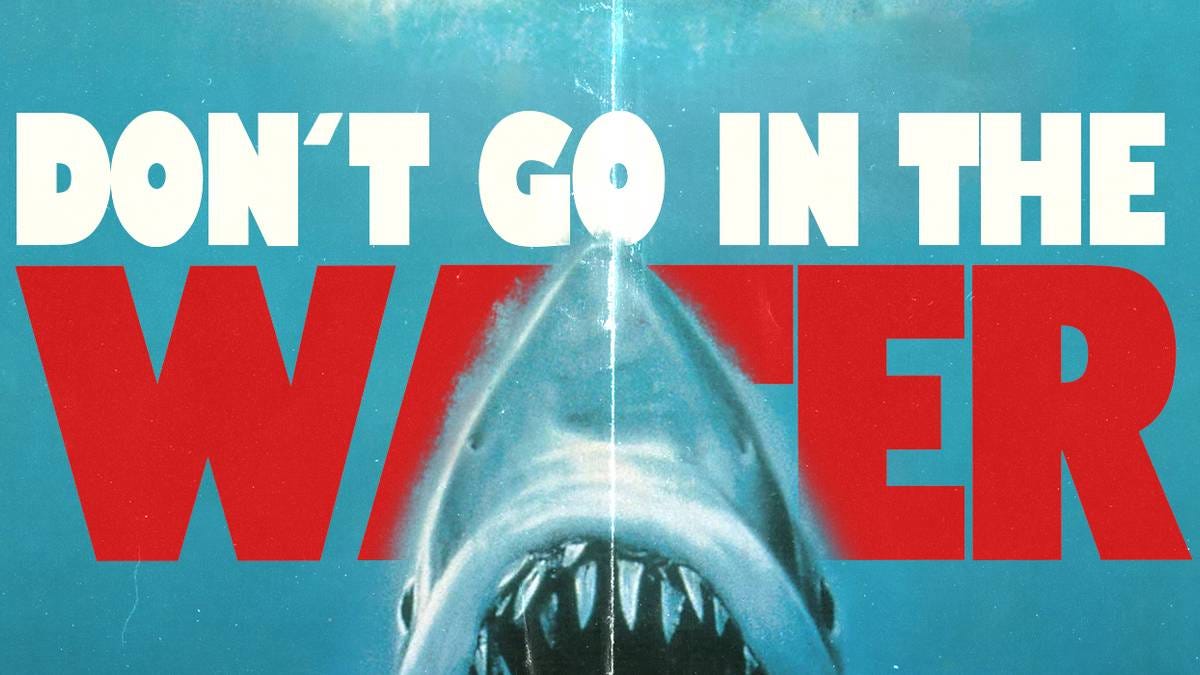
Here’s one that rung true for me, and which resonated with audiences spreading word of mouth after seeing the film:
“You’ll never go in the water again” - JAWS
A few more memorable taglines that cut right to the heart of the tales in question:
“On every street in every city in this country, there is a nobody who dreams of being a somebody." - TAXI DRIVER
"They're young, they're in love, and they kill people." - BONNIE & CLYDE
“The true story of a real fake.” - CATCH ME IF YOU CAN
"On the air and unaware." - THE TRUMAN SHOW
Of course, for every great tagline, there are at least a dozen or more that are just kinda… there.
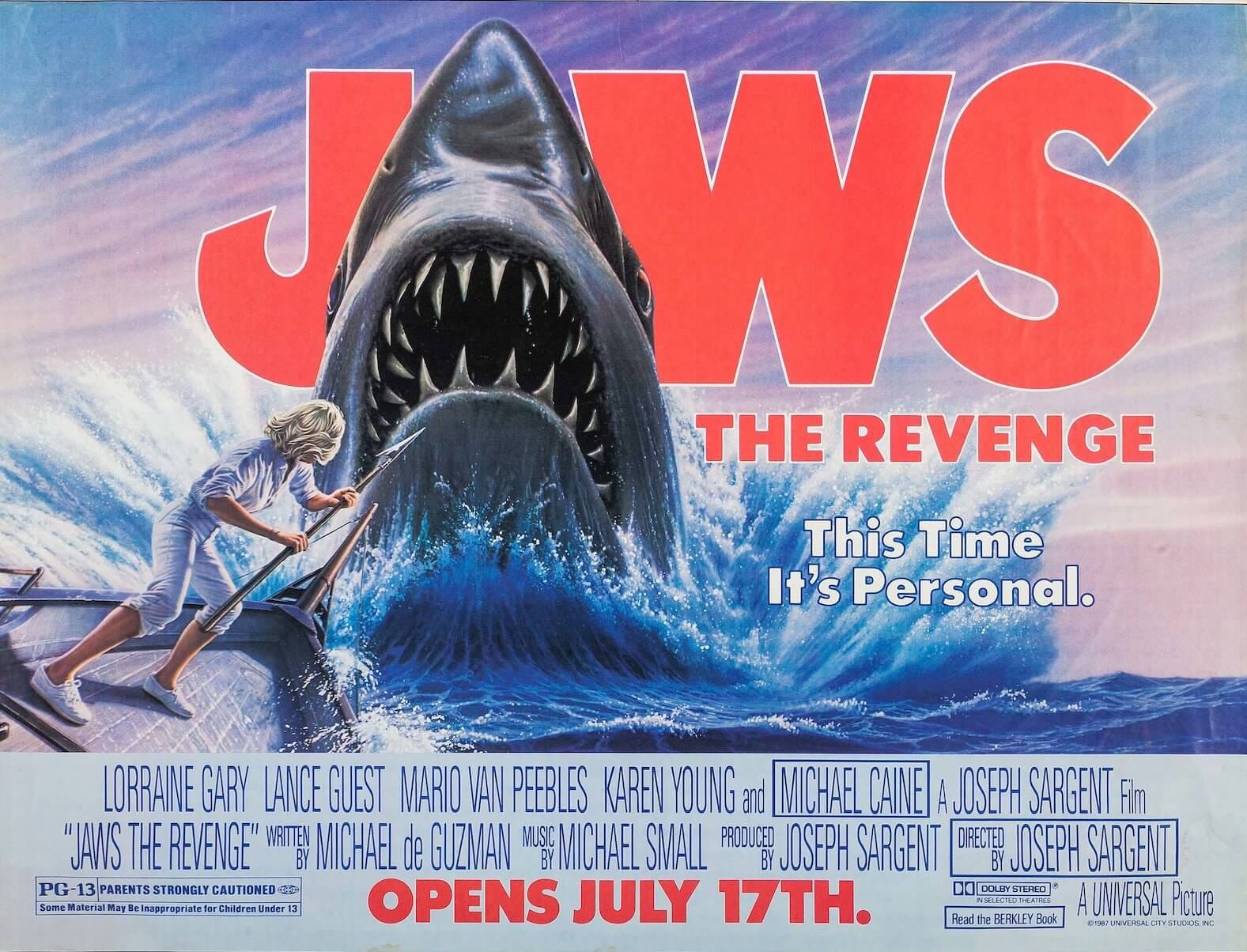
Then, of course, there are the awful ones. Hilarious that this next one isn’t even trying to be ironic:
2. The Elevator Pitch
Elevator Pitch - A spoken equivalent to a logline, expanded just a bit and more conversational, like the pitch you’d give while on a short elevator ride (or standing across from a would-be buyer of your comic at a convention table).
You CAN put on a movie trailer voice and say “In a world where darkness reigns, one hero must—" But most often, when actually speaking with another human, an elevator pitch it not so much a one-way road where someone has to listen to you go through a full performance, but more a few key phrases sprinkled through a short but natural two way conversation.
Ideally, you can have a logline (or multiple loglines) with verbiage you can also use, or directly paraphrase, within your elevator pitch.
3. The Description / Blurb
Description / Blurp
Now THIS is the VoiceOver of a movie trailer! Or, for the literati among us, you can think of this as the one paragraph description on the back of a novel. A ‘blurb’ is literally that particularly tight description at the back of a novel, whereas a description can be a on a sales page and a tad longer. Keep it tight in any event, though. Only one paragraph or several particularly short ones. Shorter and closer to a logline often even better. Heck, incorporate a logline or two into your description, so long as each builds on the shoulders of the last. Ex:
As a good rule of thumb, keep in mind that many or most readers of this description / blurb may have quite literally just read your logline. So allow the dramatic details of your logline to serve as the spine of your description. The entire world’s gone dark?! Expand on this, why is this so perilous, and who is going to try to get the damn lights back on?! And what’s so interesting about THEM?! Still not a lot of space to work with. But maybe one sentence answers to these top questions.

4. The Synopsis
The Synopsis - A bit longer than a description. But still an exercise in economy. Think ‘five paragraph essay’, but still try to keep this at one (double spaced!) page or less. Like a description / blurb, a synopsis is your opportunity to expand the detail of your logline. Introduce the conflict and central characters, etc. But in this case? In this case we’re going FULL. SPOILERS.
A synopsis isn’t for your readers, as it’ll spoil everything, but it still needs to be entertaining, as they are necessary for selling would-be publishers. Perhaps ironically though, publishers often they aren’t the most important audience for a synopsis. Because a synopsis is crucial for pitching collaborators on the project. They need to know all the most dramatic twists and turns, at an even deeper level than publishers will require. The trick here is in containing it all to a page or less, while still actively selling the intrigue. Distilling it all down while maintaining narrative-engagement is no small feat though...
5. The Full Series Breakdown / Description
Full Series Breakdown / Description - This one’s not always necessary. This could be a full issue by issue breakdown, or simply a lengthened version of a synopsis which could run for multiple pages. If a formal version of a full series breakdown is required by a would-be publisher or some such, just make sure you adhere to THEIR exact wording and requirements. That goes for all the other pitch types as well. Publishers often have their own length or formatting perimeters. Pay attention to ‘em all.
To Recap. Here’s your 4 (or 5!) Pitches
Logline
Elevator Pitch
Description / Blurb
Synopsis
Full Series Breakdown / Description
I wrote a bit more about formal pitches in this post (link).
So here’s a key takeaway to overthink:
In many or most cases, each of these forms of pitch builds in detail from the previous form. Which means that they can ALL grow out of your logline.
Before going large and agonizing over the buffet of options for your formal synopsis (or a full series breakdown). Take a bite sized nibble straight from the heart of your tale’s drama. Put some of your earlier ‘marketing’ focus into crafting an intriguing logline. THEN build your longer pitches to expand around that heart.
I recognize that sometimes a logline won’t come first, and you might need to begin crafting some pitch drafts before landing on a great summarizing logline. But it’s worth at least pondering the possibilities and allowing this to serve as an initial prompt / exercise to begin the marketing of your book.
And how to land on your best logline?
Let’s answer this question by asking another (bear with me):
Have you ever pitched something, anything, to a friend?

Pitching is a real trick because the same story can be pitched a million different ways. So having some intel to work with re: what type of stories / pitches someone will respond to is a huge advantage.
I’m sure you’ve faced down this scenario:
You really dug a a comic, movie, book, video game, whatever, and you’ve got a buddy who you just know needs to get in on it too. Since this isn’t just some stranger, knowing your friend and their interests will factor into how you’ll flavor your pitch. You know the stories they already love. You know the genres and storytellers that move them. You can even namecheck a few storytellers or specific stories in this catered pitch. This one will be near effortless for you. Fun even.
So… how can we replicate the easy street of knowing our audience while pitching to a whole heap of folks we probably don’t know?
Great question. Indeed, this is the tough one we need to work through together.
The art of… pitching art
There’s an art to pitching / marketing that’s very much a kind of storytelling all its own. It’s why there are full-time professionals who market and pitch stories of all mediums. Indeed, until recent years, storytellers across genres usually didn’t play such a commanding role in the marketing of their own work. But these days, even many of the most successful, published comic creators spend a great deal of their time marketing.
The work of distributing and selling comics has never been more of a DIY effort (including for local comic shops / LCSs). Networking online has opened tons of doors and produced countless collaborations that would have been impossible in past eras, it’s true. But for all these awesome developments, they’ve also turned ‘proven’ tactics for hustling comics onto their head, leading more and more cash-strapped publishers to depend on the creators they publish to serve as their own marketing team.
Time to bust out those TikTok dances, comics people!
Just kidding… sort of.
To reiterate: all this change isn’t ‘bad’, but one of the surefire changes is that storytellers today need to be particularly active marketers. At times, this even needs to be where they spend most of their focus. This kinda sucks for those who would rather just find a publisher to handle as much of that as possible. But expecting a full-court-press marketing partner to handle that side of the game is just not a realistic expectation for any storyteller at the moment…
So it’s helpful to remember those same lessons learned from sharing stories with our friends and family. Because as with our pitching to friends, a key element for success is to find the angle that orients a would-be reader in some meaningful way. Ultimately, someone who actually reads your comics will either dig the story or not, that’s out of your control. But finding that approach that convinces them to give your tale an honest try? There’s your bridge. That’s something you can work on.
So how do you know if your pitch will entice would-be readers?
Fortunately, if you can trick yourself into taking at least one step away from the do-or-die passion and over-analyzing that comes with being a tale’s author, then you can simply do some normal things, like:
Ask questions!
Remember all those networking websites and resources that open the door to collaboration around the world? Those same spaces are GREAT for asking questions and fielding feedback. Maybe this is obvious. But sometimes we all need the obvious stated bluntly, if not repeatedly.
So write down a logline or three. Share them with folks, (friends IRL even!), ask ‘em which sounds like a story they’d want to read!
I can’t even BEGIN to tell you how helpful folks here (on Substack) have been for me in this regard. Substack has been a goldmine of inspiration and support for THIS comics person; and asking questions (and getting constructive answers!) is the centerpiece of that treasure.
For those of you working out how to share your story, my advice is to simply start getting the word out there. Then pay attention to which of those words hold or attract interest. Test out some options, so long as they remain true to the heart of your tale, all doors are open. Get to know what folks respond to, and where their interests get piqued, etc.
Don’t try to hold it all too close or be afraid to pitch poorly. Because often, even the best stories are going to be hard to pitch, and even the best storytellers might not necessarily be the best marketers.
Don’t be afraid to fail a bit as you fine-tune things.
But fine-tune you must.
So best get started.
Right?